적응형 주행 빔
모든 주행 조건에서 정밀하고 눈부심이 없는 전방 조명을 제공하는 첨단 적응형 주행 빔 기술
눈부심을 방지하고 크게 향상된 시야를 제공하는 지능형의 적응형 주행 빔
적응형 주행 빔(ADB) 시스템은 상향등의 패턴을 지능적으로 조절하여 마주 오는 차량에 대한 눈부심을 방지하면서 시야를 극대화합니다.
안전성과 혁신에 대한 요구가 증가함에 따라 ADB는 최신 자동차 조명의 핵심 기능이 되었습니다. ams OSRAM은 EVIYOS™와 같은 고성능 LED, 레이저 및 픽셀 기술을 통해 정밀성, 안전성 및 세련된 디자인을 구현함으로써 이러한 발전을 지원합니다.
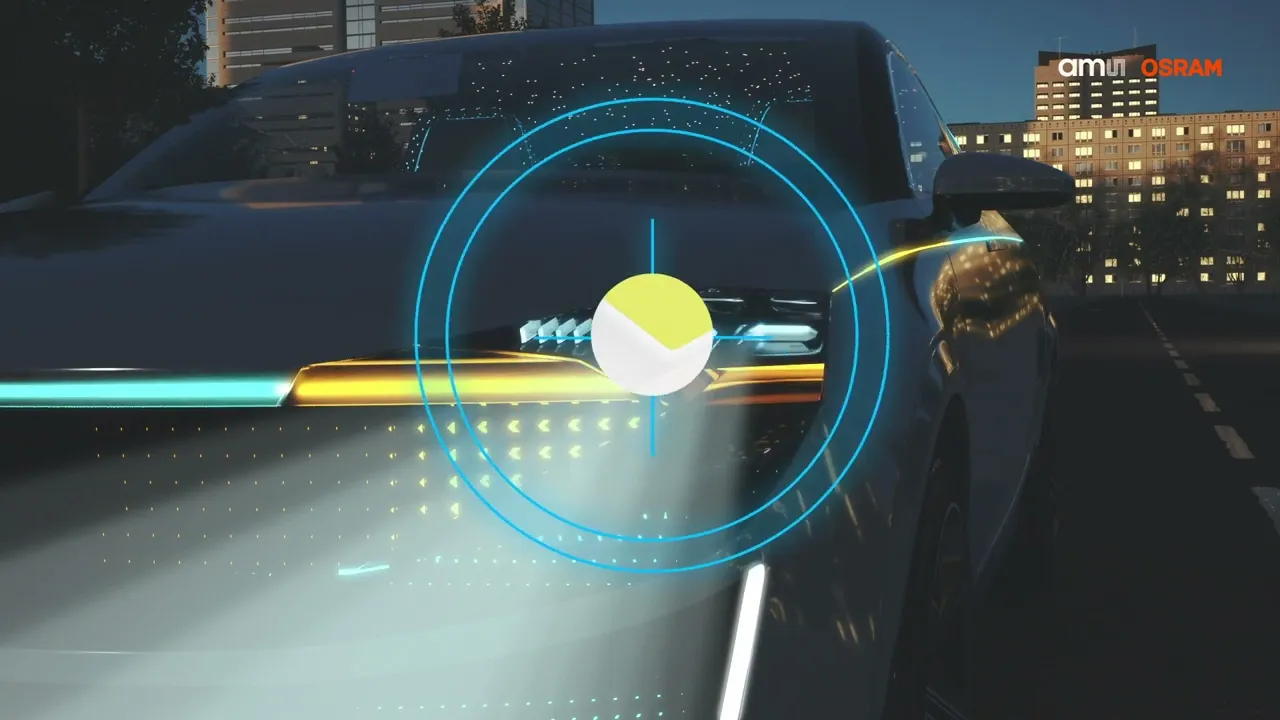
적응형 주행 빔 시스템이란 무엇인가?
적응형 주행 빔 시스템(적응형 전방 조명 시스템이라고도 함)은 고정된 빔 패턴을 투사하는 것이 아니라 조명 영역을 동적으로 조정합니다. 일반적으로 차량에 탑재된 카메라에서 얻은 센서 입력을 기반으로 시스템은 빔 분포를 실시간으로 조절합니다. 이를 통해 시야를 개선하고 눈부심을 방지하는 지능형 조명 기능을 구현할 수 있습니다.
적응형 주행 빔 시스템이란 무엇인가?
고정된 하향등이나 상향등 시스템과 달리, 적응형 주행 빔(ADB)은 도로 곡률, 전방 차량 및 기타 교통 상황에 반응합니다. ADB는 상향등 패턴을 선택적으로 조절하여 마주 오는 차량의 운전자의 눈에는 빛이 직접 비치지 않도록 하고, 다른 곳에는 최대한의 조도를 유지합니다. 이를 통해 야간 운전 시 시야 확보와 편안함이 크게 향상됩니다. 고해상도 ADB(HD ADB) 시스템은 훨씬 더 높은 해상도를 제공하여 주행 환경에 맞춤화된 세밀하게 구조화되고 눈부심을 방지하는 조명을 구현합니다.
기술 개요: 개별 LED, LED 모듈 및 픽셀화된 LED
적응형 주행 빔 솔루션은 주로 해상도에서 차이가 납니다. 보급형 ADB는 개별 LED의 어레이를 사용하여 구현할 수 있으며, 기본적인 적응형 기능을 위한 제한적인 세그먼트화를 제공합니다. 좀 더 고급형 시스템은 개별적으로 제어 가능한 수십 개의 픽셀로 구성된 LED 모듈을 사용하여 향상된 곡선 조명 및 선택적 눈부심 방지 기능을 구현합니다. 고해상도 ADB의 경우, 픽셀화된 LED 또는 매트릭스 LED는 개별적으로 어드레싱이 가능한 수천 개의 픽셀을 제공합니다. 따라서, 매우 정밀한 빔 형상화가 가능하며, 특정 지역에서 점점 더 법적으로 요구되고 있습니다. 프로젝션이나 엔터테인먼트 기능과 같이 훨씬 더 많은 픽셀 수가 요구되는 애플리케이션에서는 디지털 미러 장치(DMD) 또는 실리콘 액정(LCoS) 이미저를 사용하여 밝기는 다소 떨어지지만 메가픽셀 범위의 해상도를 구현할 수 있습니다. 이미저 기반 시스템용 광원에 대한 자세한 내용은 프로젝션 LED 페이지를 참조하십시오.
FAQ: 다음은 적응형 주행 빔에 대한 가장 일반적인 질문들입니다.
픽셀화된 조명 또는 매트릭스 조명은 많은 개별 세그먼트를 독립적으로 제어할 수 있는 픽셀화된 LED 또는 매트릭스 LED를 의미합니다.
ADB 시스템은 운전자의 필요에 맞춰 조명을 조절할 수 있습니다. 더 나은 시야 확보를 위한 간단한 코너링 라이트부터 눈부심 방지 상향등 조작을 지원하는 첨단 고해상도 시스템에 이르기까지 다양합니다.
고해상도 ADB 시스템에는 개별적으로 어드레싱이 가능한 수많은 세그먼트를 포함하고 있어 매우 세밀하게 구조화된 배광 분포를 구현할 수 있습니다. 예를 들어, 마주 오는 차량의 시야에서 상향등이 눈부심을 유발하는 영역만 선택적으로 제거하여 다른 도로 이용자의 시야를 방해하거나 눈을 부시게 하지 않으면서 시야를 크게 향상시킬 수 있습니다.
추천 제품

OSRAM EVIYOS™ HD 25 gen2, KEW GBBMD2U
OSRAM OSLON™ Compact PL, KW CELNM4.TK
OSRAM OSLON™ Compact PL, KW CWLNM4.TK
OSRAM OSLON™ Compact PM, KW CDLMM2.TK